
Simple & Stylish Kitchen Design with Chimney: A Practical Guide
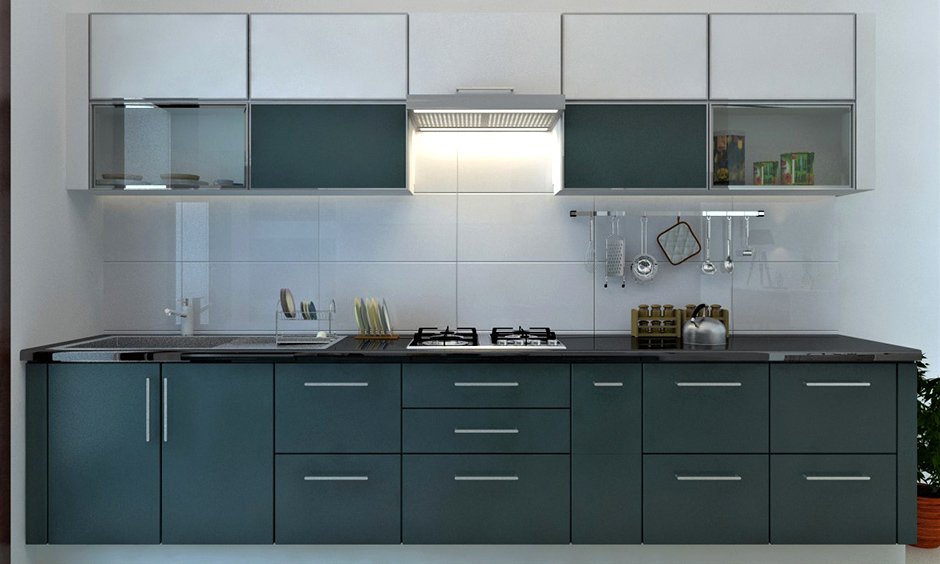
Designing your kitchen shouldn’t mean sacrificing style for functionality. A well-planned kitchen design with a chimney does both—enhances the aesthetics and solves real practical problems such as smoke, grease, lingering odours and reduced ventilation.
In this guide we’ll explore simple yet effective kitchen-chimney design ideas, how to choose the right chimney for your space, and how to integrate it seamlessly into modern home interiors.
Why a Chimney is Essential in Your Kitchen Design
When you cook frequently—especially with Indian-style frying, tadkas, spices—the smoke and grime build-up becomes inevitable. A good chimney helps:
-
Remove smoke, odours and grease from cooking surfaces.
-
Protect your cabinets, tiles and walls from yellowing or damage.
-
Keep the kitchen air cleaner, making it healthier and more comfortable to use.
-
Maintain the visual appeal—when smoke doesn’t cling to surfaces, the kitchen stays fresher-looking.
Therefore, when designing a kitchen with chimney, function and form must go hand in hand.
How to Choose the Right Chimney for Your Kitchen
Selecting a chimney isn’t just about picking a stylish hood. Here are key considerations:
1. Suction Power & Kitchen Size
-
Match the chimney’s capacity to how much cooking you do and the size of your space. Larger kitchens / heavier cooking → higher suction.
-
Ensure ducting is efficient (shorter ducts, fewer bends) for better performance.
2. Filter Type & Maintenance
-
Baffle filters or filter-less models are highly recommended for Indian kitchens with heavy spice/fry usuage.
-
Look for auto-clean features or easy filter access—maintenance makes a big difference.
3. Ducted vs Ductless
-
Ducted chimneys actually exhaust outwards; best for strong ventilation.
-
Ductless (recirculating) chimneys are easier to install in apartments where external ducting is difficult; they still help but may require more filter maintenance.
4. Placement & Fit
-
The chimney should be placed directly above the cooktop/hob for optimal efficiency—typically about 24-30 inches above.
-
Ensure width matches or slightly exceeds the stove width for effective capture of fumes.
5. Style, Finish & Integration
-
Choose a finish (stainless steel, glass canopy, black matte) that complements your cabinetry and overall kitchen aesthetic.
-
Consider how the chimney will blend or stand out—integrated or built-in models lend a clean look.
Simple Kitchen Layouts & Chimney Integration Tips
Here are layout-specific tips to ensure your chimney serves both style and function:
-
L-Shaped Kitchen: A wall-mounted or straight-line chimney works well along the long wall. Keeps lines clean and efficient.
-
Parallel Kitchen: Use an angular chimney or a box-type chimney to make effective use of space and avoid interruption in flow.
-
U-Shaped Kitchen: Choose a design like a curved glass hood or sophisticated box-type chimney to maintain visual balance and space.
-
Open Kitchen / Kitchen Island: If the cooktop is at an island, use a ceiling-mounted or island chimney to handle the 360º exposure and make it a design focal point.
Maintenance & Common Mistakes to Avoid
Maintenance Tips:
-
Clean filters every 2-3 weeks if you cook often.
-
Wipe exterior surfaces weekly to avoid oil residue.
-
Use the auto-clean feature if available.
-
Turn off power/use caution when cleaning.
Common Mistakes:
-
Choosing technology/look over required functionality (low suction, wrong size).
-
Installing the chimney too close (or too far) from the cooktop—this reduces effectiveness.
-
Ignoring noise levels: an overly noisy chimney can be a daily nuisance.
-
Neglecting duct design or making excessive bends—this reduces suction.
Simple Kitchen Design Ideas That Complement a Chimney
-
Keep colour palette clean and light—chimney in stainless or glass helps reflect light and makes space feel larger.
-
Use smooth, minimal cabinetry with integrated handles to contrast with the angular chimney/motor hood—creates a sleek look.
-
Back-splash: choose easy-to-clean tiles or glass behind the stove area—the chimney protects but the backsplash should be durable.
-
Lighting: under-cabinet lighting + LED inside the chimney hood can turn the functional appliance into a design element.
-
Ventilation: pairing chimney with an extractor or properly placed window ensures full circulation.
Conclusion & Call to Action
A well-chosen chimney paired with smart kitchen design isn’t just about aesthetics—it’s about creating a healthier, more enjoyable space for cooking and living. If you’re planning a renovation or building a new kitchen, take time to match your chimney to your layout, cooking style and décor vision.
Ready to design your perfect kitchen with chimney integration? At Ankit Atelier Home, we specialise in turnkey kitchen interiors that combine elegant design with high-performance appliances. Reach out today — let us help you build a kitchen that’s stylish, functional and fresh.
Contact us @ +91 9773935522